A puff sleeve dress has royal and historical backing, as ITV describes the large puffed sleeves on Princess Diana's 1981 Emanuel wedding gown, which made the style popular. The Museum at FIT notes that the enormous puffed sleeves of the 1890s were inspired by styles from the 1830s. Here is how to choose a puff sleeve dress that feels romantic and not costume.
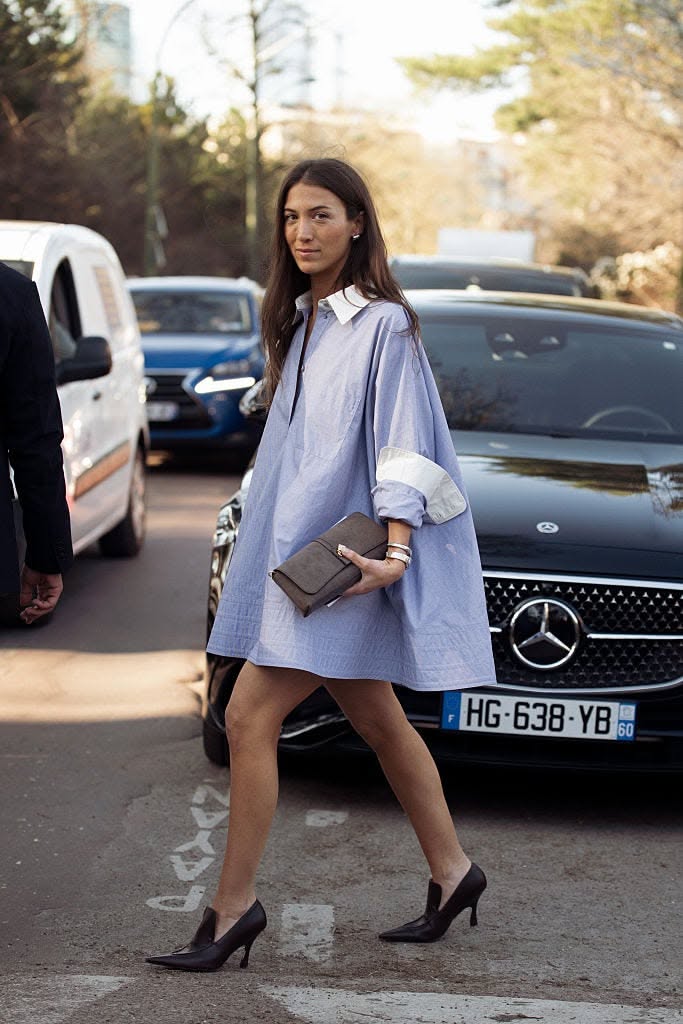
Puff Sleeve Dress: Diana's 1981 Sleeves and the 1830s Original
Sleeves with a long memory
ITV describes Princess Diana's 1981 wedding dress by David and Elizabeth Emanuel as having large puffed sleeves, trimmed with bows and deep taffeta ruffles, and says that Diana made the style popular in the early 1980s. The Museum at FIT notes that the enormous puffed sleeves defining 1890s dresses were inspired by styles from the 1830s. A puff sleeve dress is a silhouette that returns about every fifty years, with a slightly different attitude each time.
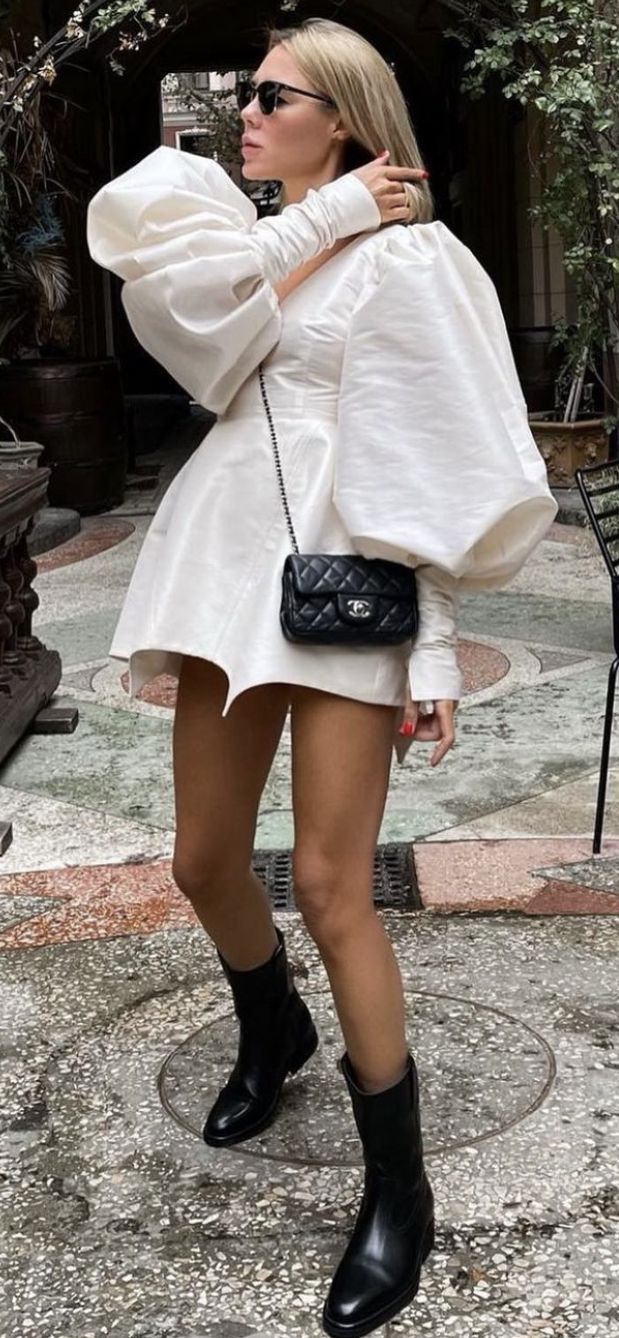
Where the puff sits
A puff at the shoulder is dramatic. A puff at the elbow is sweeter and easier to wear. A short puff looks summery. A long, gathered puff with a cuff looks romantic. Check the elastic or the cuff, which should be snug but not tight. A lined sleeve holds its shape better.


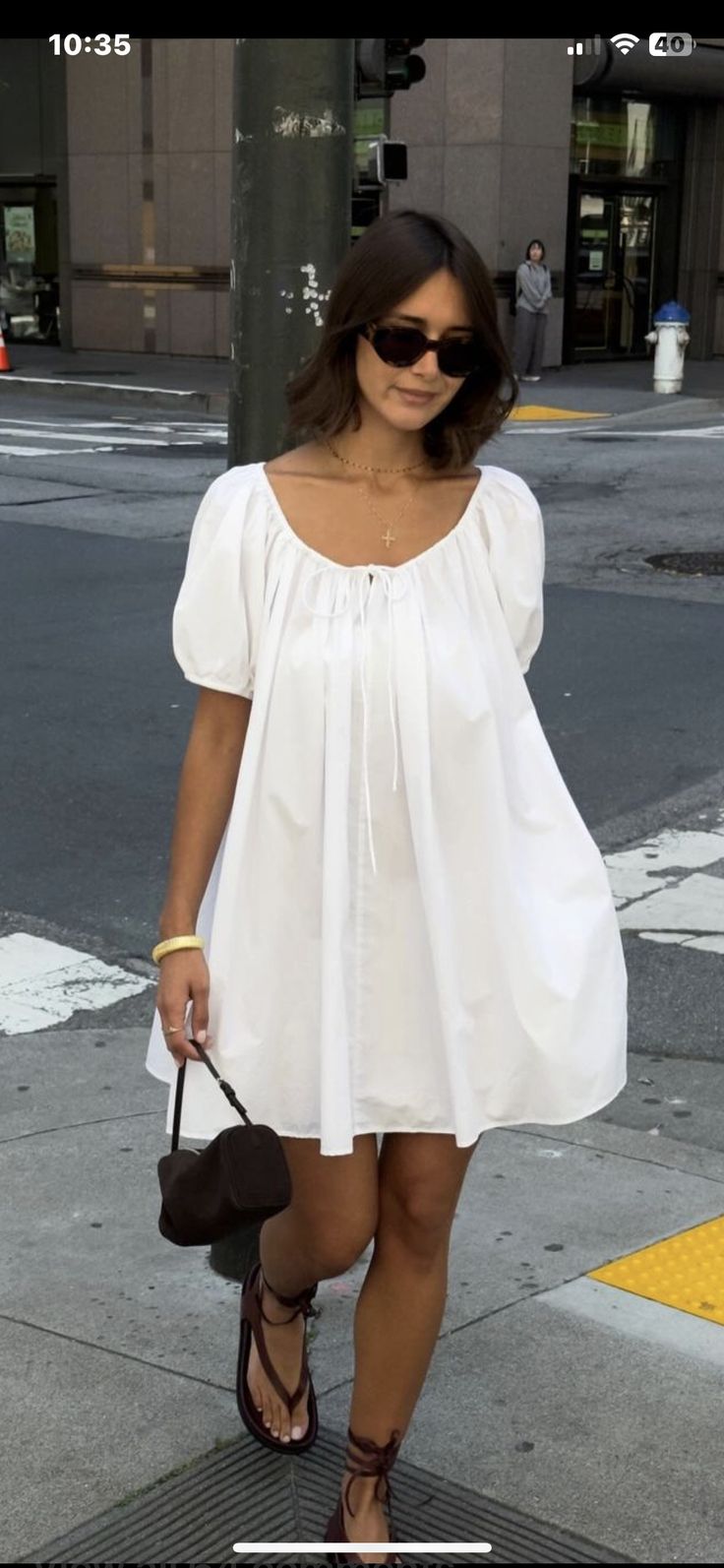
Balancing the volume
The sleeve is the statement, so keep the rest of the dress simple. A fitted bodice and a straight or A-line skirt work well. Picture her in a cream puff sleeve mini with flat boots and a long coat, walking along a river in early spring. Avoid also adding a ruffle at the hem, which turns the look sweet and heavy.


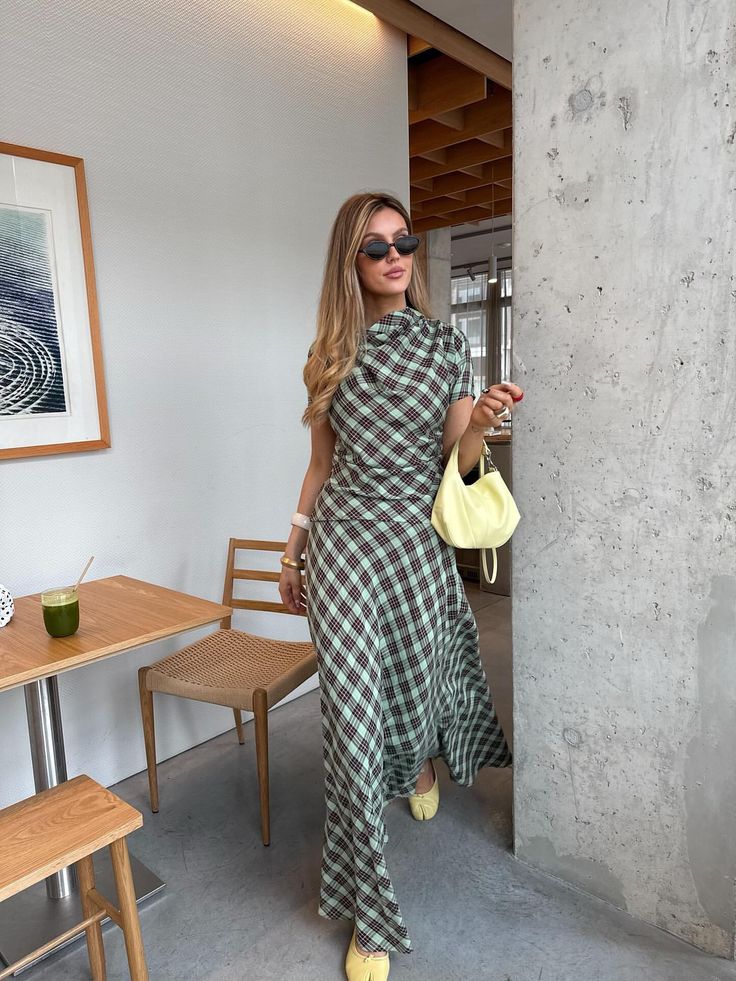
Practical wear
Puff sleeves do not like a tight blazer. Layer a cropped cardigan or a vest instead. Hang the dress on a padded hanger so that the sleeves keep their shape. Steam from the inside.


What I would skip
I would skip a puff sleeve dress with stiff, papery sleeves and an elastic that digs into the arm. A puff should feel like air, not like a lampshade.