Palazzo pants began as the palazzo pajama invented by Irene Galitzine, a Russian princess turned couturiere in 1960s Rome. Vogue credits her with creating the shape, and says her friend Diana Vreeland gave the ensemble its enduring name. Here is how to wear palazzo pants in a way that looks modern and not costume.
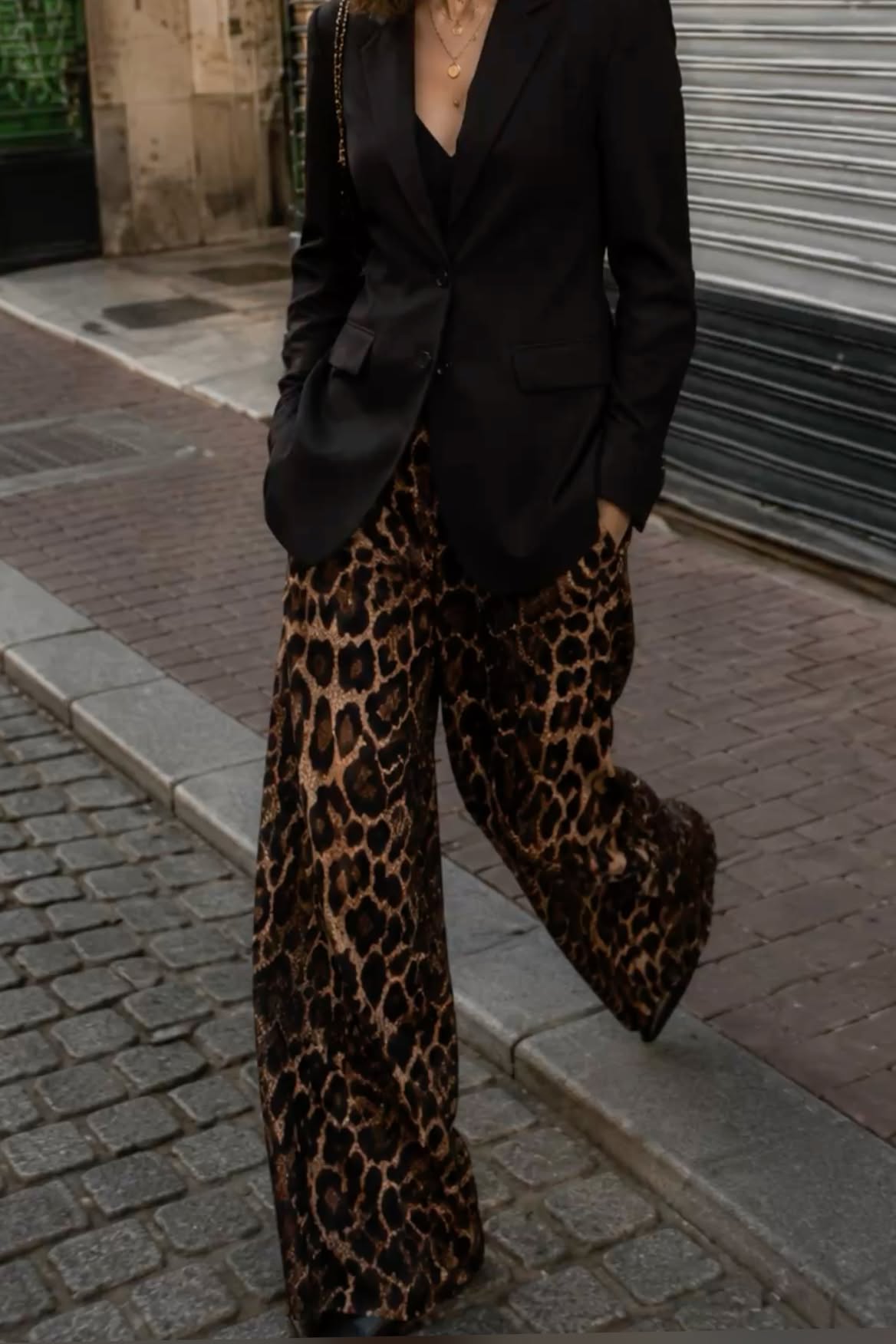
Palazzo Pants: Irene Galitzine and the Roman Pajama
A Roman invention
Vogue credits Irene Galitzine, a Russian princess turned couturiere living in Rome in the 1960s, with creating the palazzo pajama. Jackie Kennedy was a fan, and in 1963 she sent Galitzine a thank-you note for the pajamas she had received at Christmas. Vogue says Diana Vreeland, Galitzine's friend, named the ensemble of a masculine-inspired blouse and wide pants. Palazzo pants began as evening wear for women who wanted to be comfortable and look grand.
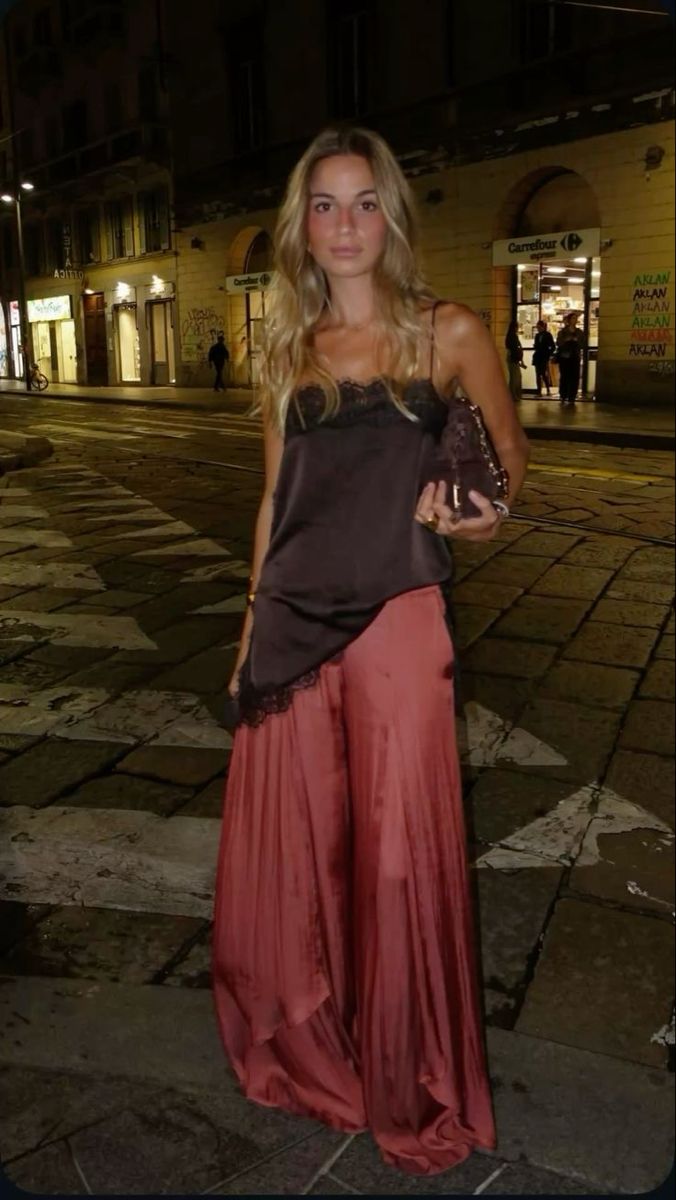
What makes palazzo pants work
Palazzo pants are full from the waist and fall in a straight, wide line. The fabric has to fall, not stick out. Crepe, satin, linen and soft viscose all fall well. Stiff cotton sticks out like a tent. A high waist, flat front and hidden zipper keep the top clean so that the legs can be generous.


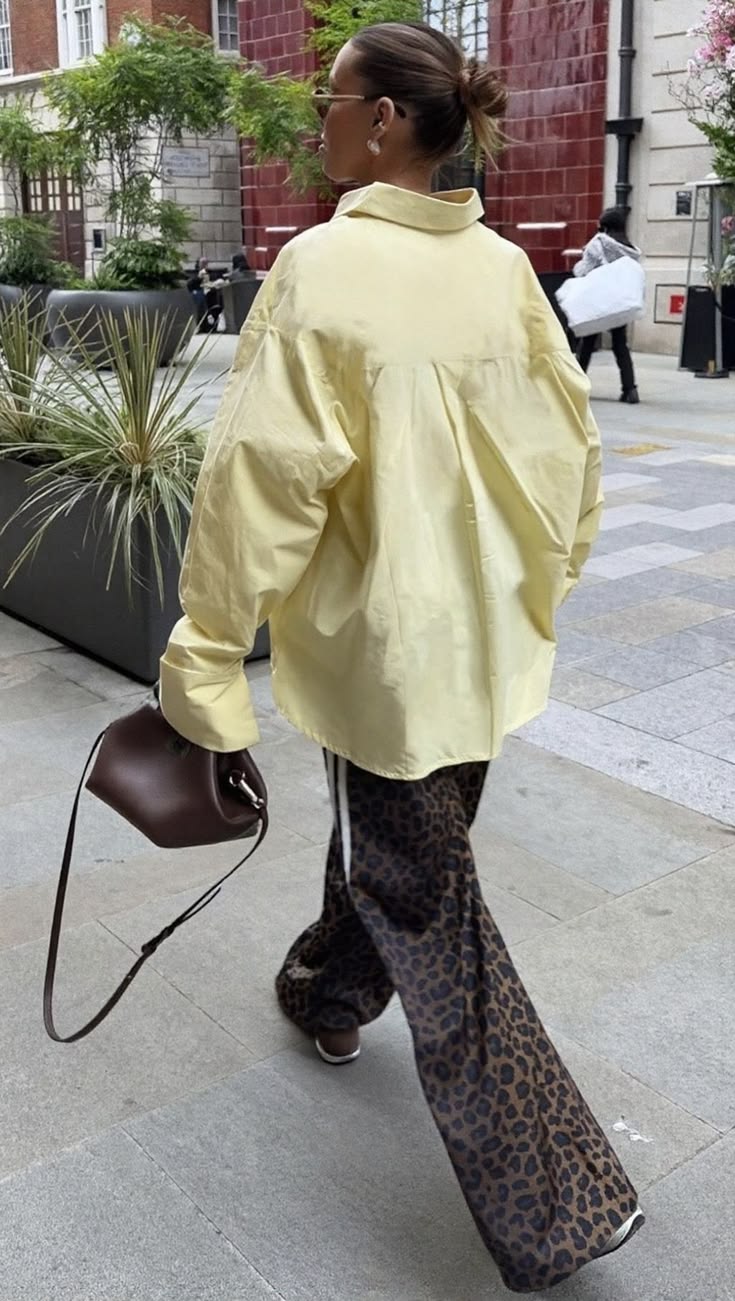
Length and shoes
The hem should graze the floor or the top of your shoe. A heel hides under the fabric, and that is what makes the line long. In our fashion dreams she goes to an opening in black palazzo pants and a silk shirt, the hems moving like water. If you are shorter, choose a monochrome look with a pointed toe to lengthen the line.


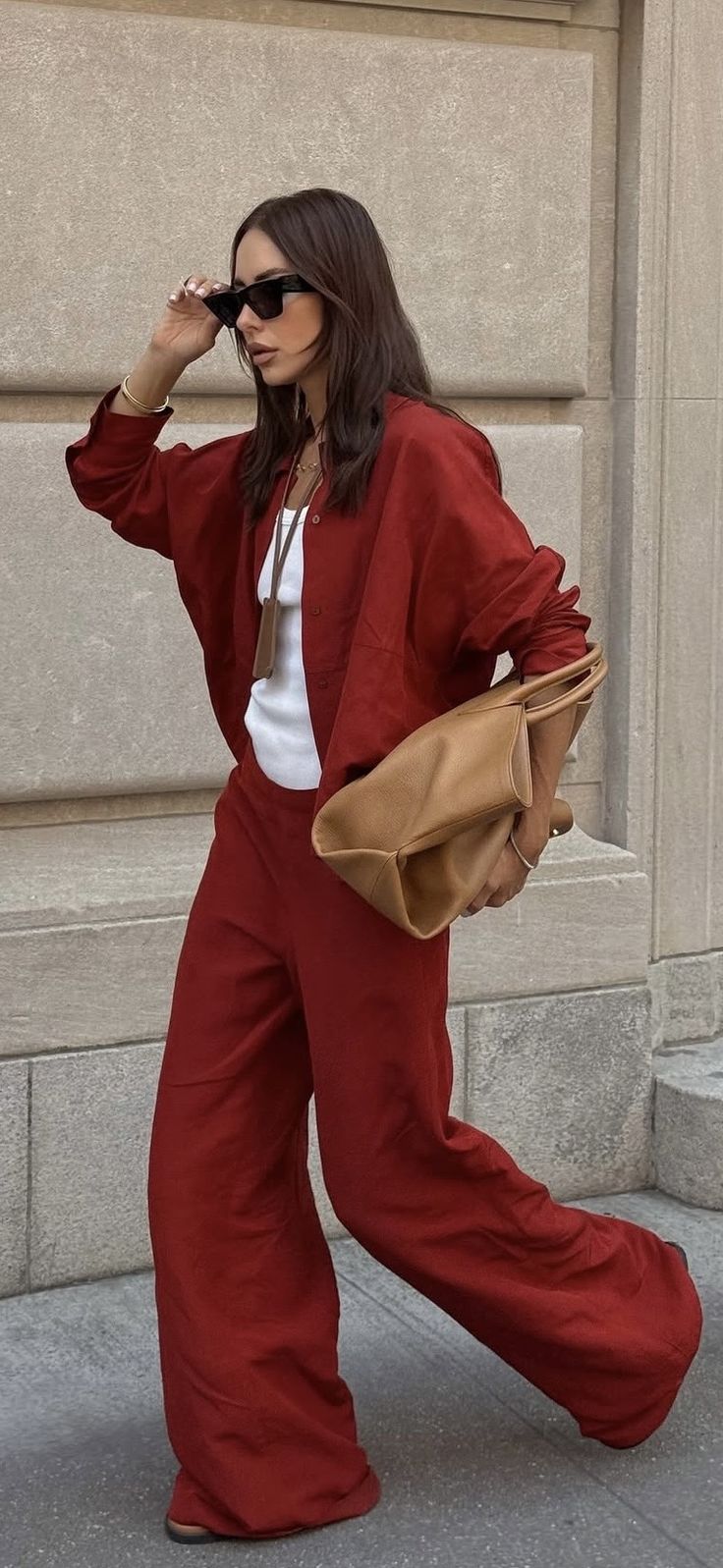
Day and night
For day, wear palazzo pants with a tucked knit and a belt. For night, wear them with a bodysuit and a sharp earring. In summer, linen palazzos with a white tank look easy. In winter, a wool pair with a fitted sweater is warm and a little theatrical.


What I would skip
I would skip palazzo pants that are too heavy and drag the waist down, and a print that fights with the movement. A palazzo should feel like a skirt that happens to have legs.