Yes, Garnet Hill is worth it for cashmere, natural-fiber clothing and considered outerwear, but less so if you want the cheapest basics. This guide weighs fiber, care, fit, returns and the pieces most likely to earn regular wear.

Is Garnet Hill Worth It? An Honest Look at Quality and Price
Where the price makes sense
Yes, Garnet Hill is worth it for cashmere and natural-fiber layers if you care about feel and construction more than the lowest price. If someone asks, 'is Garnet Hill worth it,' I would say yes for considered purchases, not routine basics. Founded in 1976, the brand's origin story began with English flannel sheets brought home from Europe in 1973, and its current point of view centers natural fibers and thoughtful design. Good Housekeeping's Textiles Lab assessed more than 20 cashmere sweaters and named the Essential Cashmere V-Neck Pullover best overall; testers liked its softness but also noticed surface fuzzing. That is a useful distinction: softness is immediate, wear is longer term. Garnet Hill accepts new, unused items within 90 days, offers free exchanges and charges $8.95 per return package; defective items may be replaced for up to a year. In-stock standard orders generally arrive in three to seven business days. I would buy for fiber and construction, then use the return window to check fit, not as a reason to order every neutral.


Cashmere, with a care caveat
Cashmere is the clearest reason to start with Garnet Hill, but the four knits are not interchangeable. Essential Cashmere V-Neck Sweater gives you the classic pullover idea; Shay Washable-Cashmere Turtleneck is 100 percent SFA-certified cashmere, machine washable and cut in an oversized, boxy shape to the low hip. Essential Washable-Cashmere Sweatshirt has a boxy silhouette and raglan sleeves, while Cashmere Button-Down Sweater is a different way to layer. I would check the exact care and fiber details on the last two before assuming every cashmere piece behaves alike. My practical rule is to decide whether you will follow the wash instructions, then choose the silhouette you will wear most. Machine washability belongs to specific pieces, not to every sweater that carries the Garnet Hill name.


Natural fibers need a job
A natural fiber is a starting point, not a wardrobe plan. Essential Organic-Cotton Flannel Shirt offers the familiar shirt category; Easy Linen Button-Down Shirt and Organic-Linen Folkloric Embroidered Top give other names to compare, but check each item's weave, care and cut before choosing. Lune Silk Cami is 100 percent silk habutai, cut on the bias with adjustable straps, so it can sit under a jacket or work as a light top on its own. I would think about what you will layer over the shirt and where you will wear the cami before deciding that one fiber is more valuable than another. If your closet needs a seasonal overshirt, compare the flannel and linen shapes; choose the silk cami only if you will wear it under jackets or on its own. Choose the piece that solves an actual gap, then give it the care its material calls for.



Buy the layer you will wear
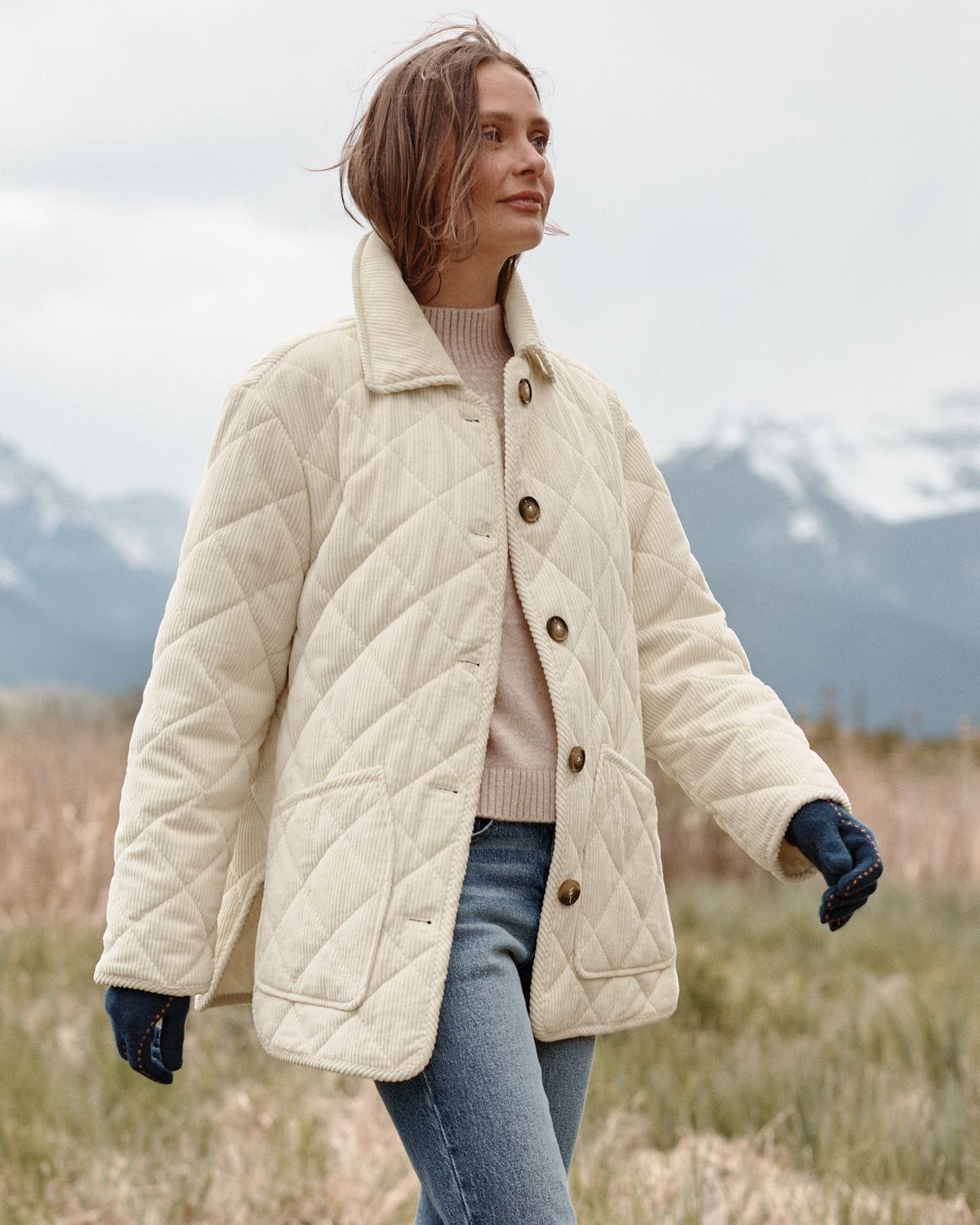
Outerwear earns a place when its shape or weather detail fills a real need. Quilted Recycled Car Coat is made from a water-resistant recycled-poly blend and has a removable hood, a practical combination for changeable weather. The Asymmetrical Boiled Wool Coat, Bernardo Quilted Corduroy Barn Coat and Knit Relaxed Blazer deserve a closer look at their composition and care before you decide; I would not assume a single quality level across such different names. The Knit Relaxed Blazer uses a stretchy TENCEL Lyocell blend, which makes it a different proposition from a coat intended for outdoors. Start with the weather you walk through, then choose the length and shape you will actually reach for. Garnet Hill makes sense if natural fibers, thoughtful construction and some easy-care options matter to you. Skip it if you want the cheapest basic or need a technical shell as your only winter layer.